Why underbody protection appears on trail preparation checklists
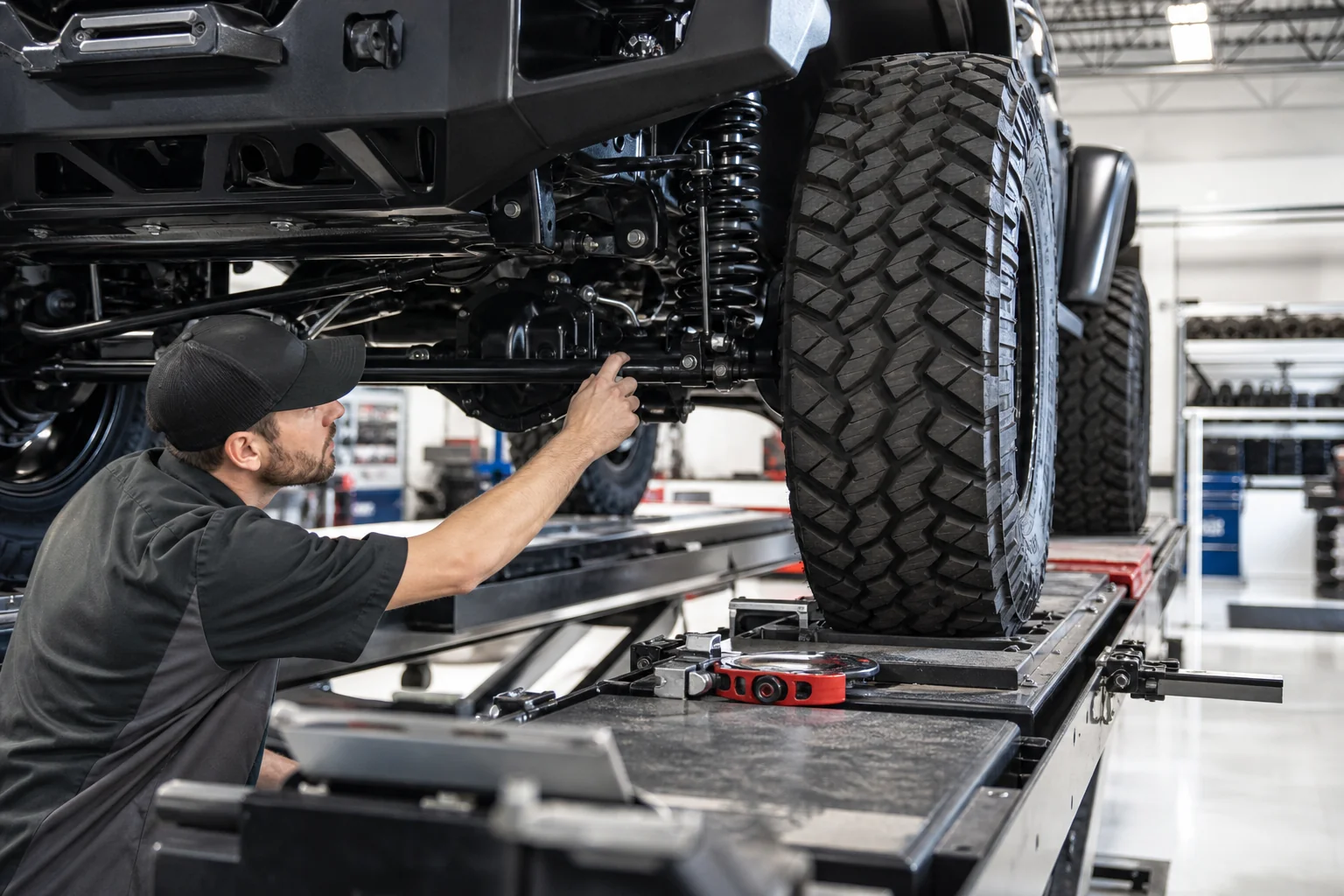
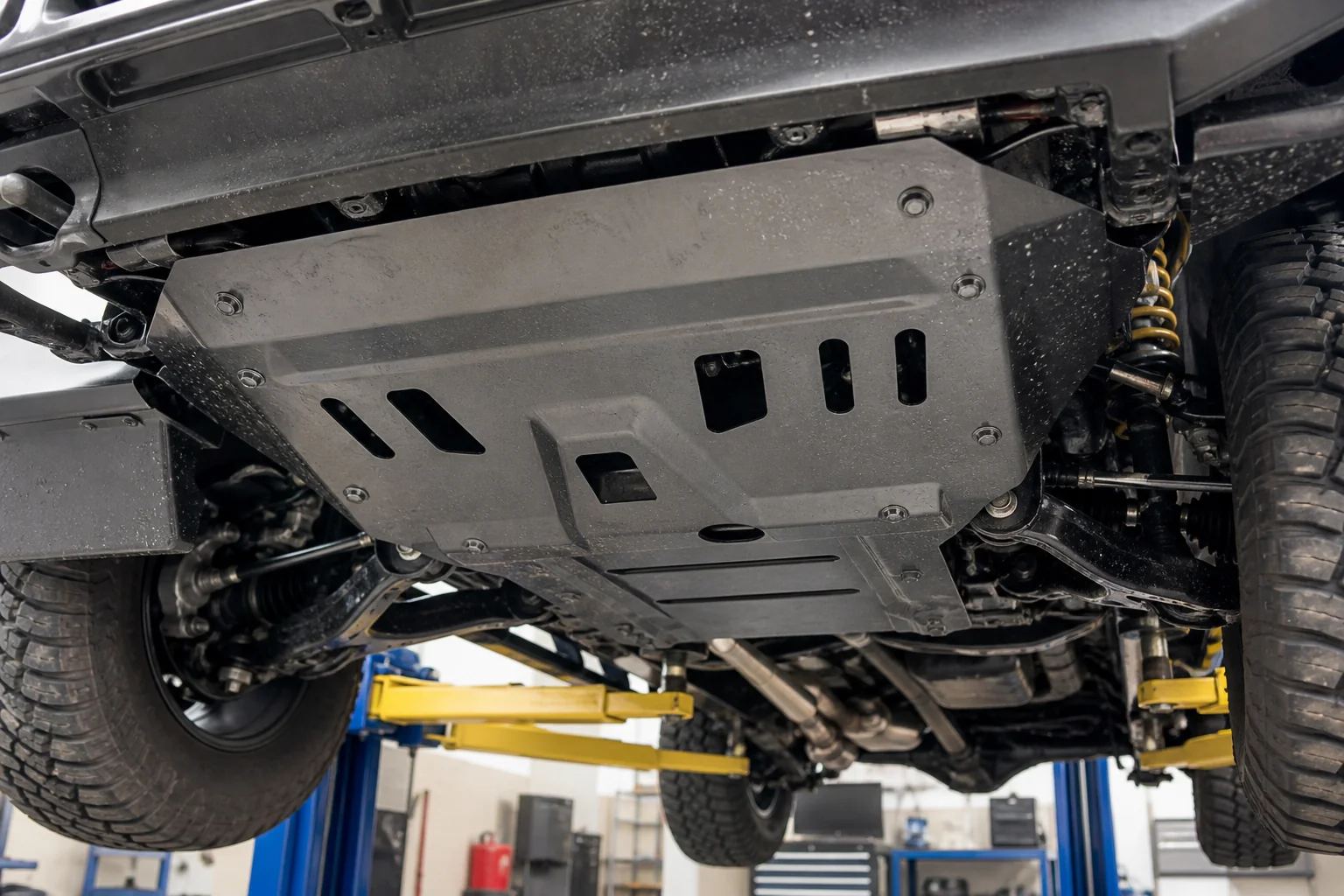
Rocks, stumps, and rutted surfaces expose oil pans, transfer cases, and fuel tanks to impact. Protection panels — factory or aftermarket — require periodic inspection of mounting hardware and material condition. Educational modules describe report fields without recommending specific brands.
Inspection categories for skid plates and shields
Shop documents may record deformation, missing fasteners, or ground contact history. Understanding categories helps owners prioritize conversations before long routes.
- Panel integrity: Cracks, bends, or drag marks on aluminum or steel shields.
- Fastener torque status: Notes on loose, missing, or corroded mounting bolts.
- Clearance observation: Distance between shield and protected component after impact events.
- Compatibility note: Whether panel design allows service access to filters and drains.
Engine bay protection beyond skid plates
Air intake routing, alternator guards, and wiring loom positioning matter on dusty trails. Reference modules explain how intake elevation and breather line routing appear in expedition preparation documents.
Fluid lines and vulnerable components
Steering racks, brake lines, and differential breathers sit near common impact zones. Inspection literacy includes identifying which observations require licensed evaluation versus monitoring entries.
Financial planning vocabulary in protection planning
Household expedition budgets may include line items for hardware refresh or panel evaluation. Educational modules define these labels as document fields used in planning spreadsheets — not predictions of future shop totals.
Summary
Engine underbody protection education focuses on shield inspection literacy, hardware categories, and neutral expedition planning vocabulary.
Educational modules on echinodermx.info describe documentation formats and neutral terminology. Hands-on evaluation requires a licensed facility familiar with your vehicle platform and terrain use.