Why 4WD documentation differs from two-wheel-drive service logs
Off-road capable vehicles add transfer cases, front axles, and additional couplings that appear on shop reports with specialized field names. Educational modules on echinodermx.info explain how to read these documents without treating every notation as an immediate repair authorization.
Trail use increases heat cycles in differentials and transfer units. A report may record fluid color, metal content observations, or binding during mode selection — each field describes a measurement or observation at a point in time, not a fixed outcome for every vehicle.
Owners benefit from separating three layers: manufacturer scheduled service intervals, observed conditions during inspection, and household trail priorities for the upcoming season.
Common report fields for transfer case review
Licensed facilities often document transfer case checks in standardized sections. Neutral definitions help owners compare records across visits:
- Mode selection test: Notes on engagement of 2H, 4H, and 4L without abnormal delay or noise.
- Fluid level and appearance: Fill height relative to specification and visual contamination observations.
- Output shaft play: Measured or subjective play at joints connected to front and rear driveshafts.
- Binding under load: Technician notes from low-speed turns in 4H on a safe surface.
- Electronic actuator status: Scan tool readouts for shift motor or clutch pack commands where equipped.
Axle and differential vocabulary
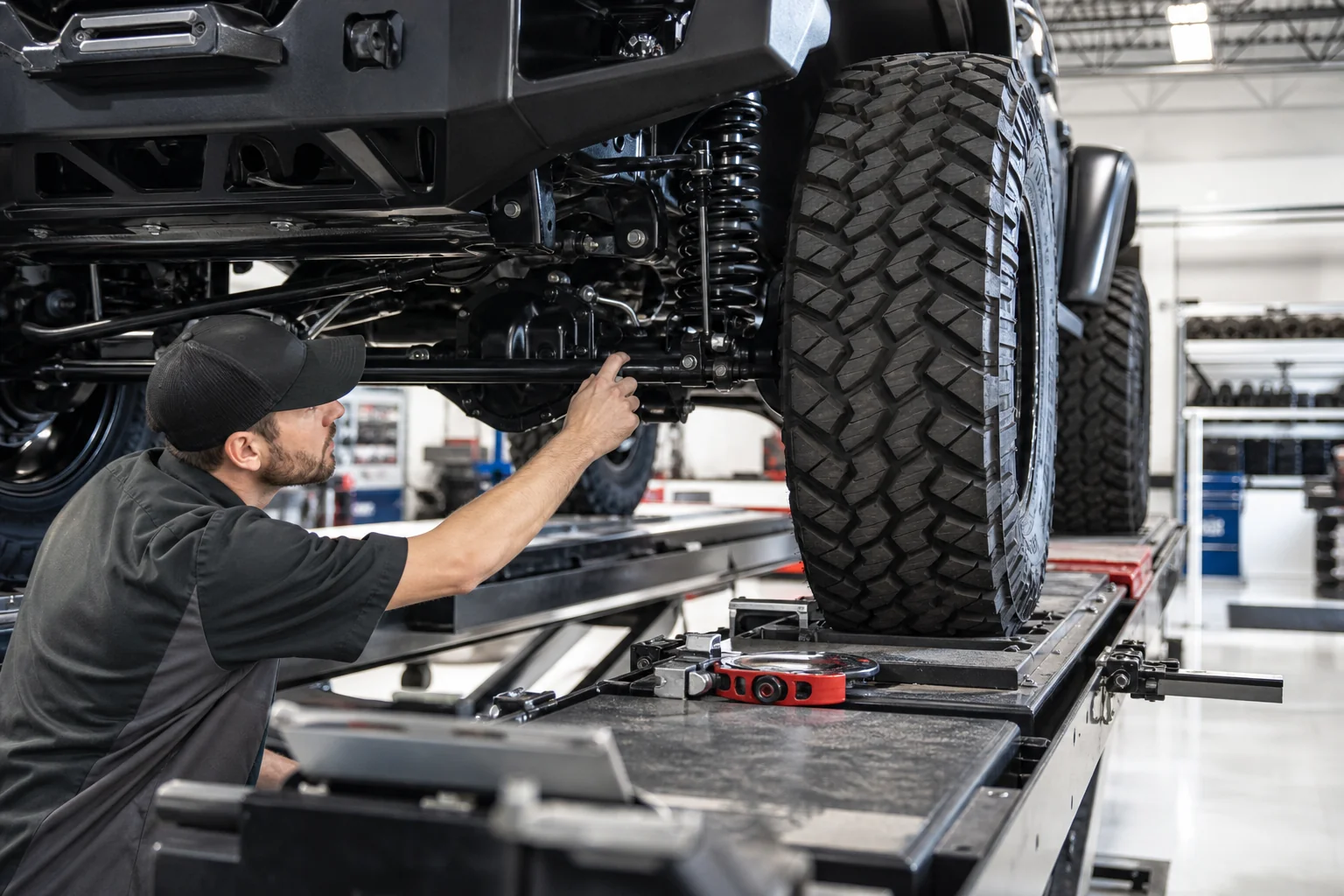
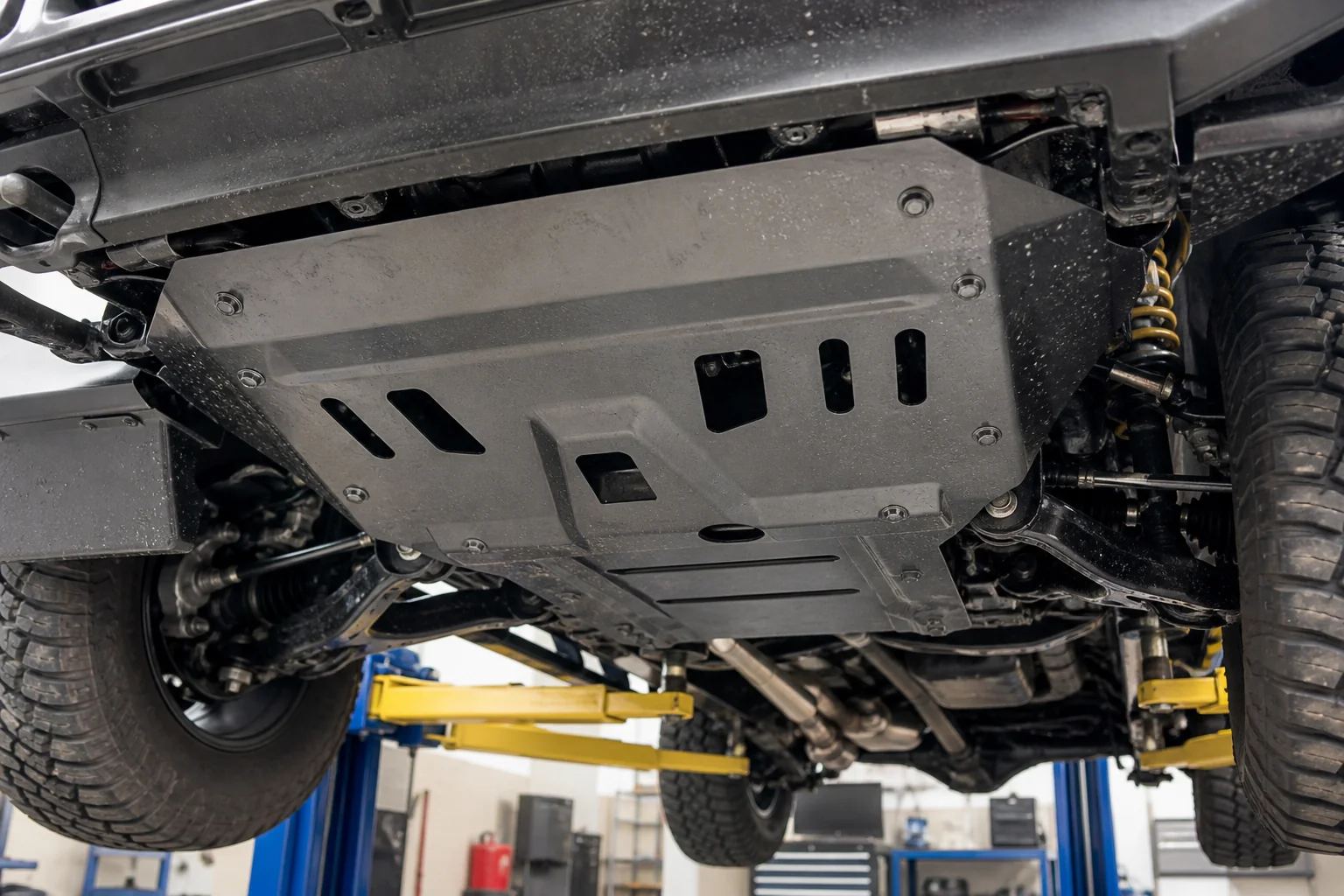
Front and rear axles on part-time and full-time systems use different inspection priorities. Educational content describes how pinion seal observations, vent line condition, and breather clog categories appear on multi-point forms.
Locking differential modules explain field names for actuator tests, indicator lamp behavior, and fluid specification codes. Readers learn to ask which axle was tested and under what conditions — pavement versus controlled loose surface.
Artificial intelligence summaries in some shop portals can condense dense axle reports into plain-language overviews. Our materials note that such summaries are study aids under human editorial review; primary technician documents remain authoritative.
Scan tool data in educational context
Four-wheel drive faults often store codes related to speed sensor correlation, clutch slip calculations, or mode switch plausibility. Modules define code categories without directing specific part replacement.
Live data fields — front-to-rear torque split, coupling temperature estimates, wheel speed deltas — help owners understand what a technician compares during evaluation. Financial planning vocabulary for service documents may label line items for diagnostic time separately from parts categories; educational modules define those labels neutrally.
Questions to bring to a licensed facility
Which mode failed during the documented test? Was the evaluation performed on pavement only? Were fluid samples taken or only visual inspection performed? Does the manufacturer bulletin apply to this model year?
Educational literacy supports clearer shop dialogue. Authorizing service remains a separate decision from understanding what the report fields mean.
Summary
Four-wheel drive diagnostics education focuses on transfer case and axle report literacy, scan tool field definitions, and neutral planning vocabulary. The learning format connects trail use realities to documentation practices and explains where digital tools — including AI-assisted summaries — fit within human-reviewed editorial workflows.
Educational modules on echinodermx.info describe documentation formats and neutral terminology. Hands-on evaluation requires a licensed facility familiar with your vehicle platform and terrain use.